
I am trained to evaluate oral and facial muscle function
and will develop a curated treatment plan for individual or group therapy. I collaborate with dentists, orthodontists, and other professionals to provide comprehensive care.
A Specialty Area
Speech sound errors can be just the tip of the iceberg. It’s important to look beyond the sounds to understand the orofacial imbalances that can impact more than the speech.
Is there a tongue thrust? Mouth breathing? Inefficient swallow and picky eating? Jaw clenching and grinding? Orthodontic relapse? An orofacial myofunctional assessment will look at the underlying foundational skills to identify factors all affecting the speech and articulation development, as well as sleeping, feeding, and behavior.
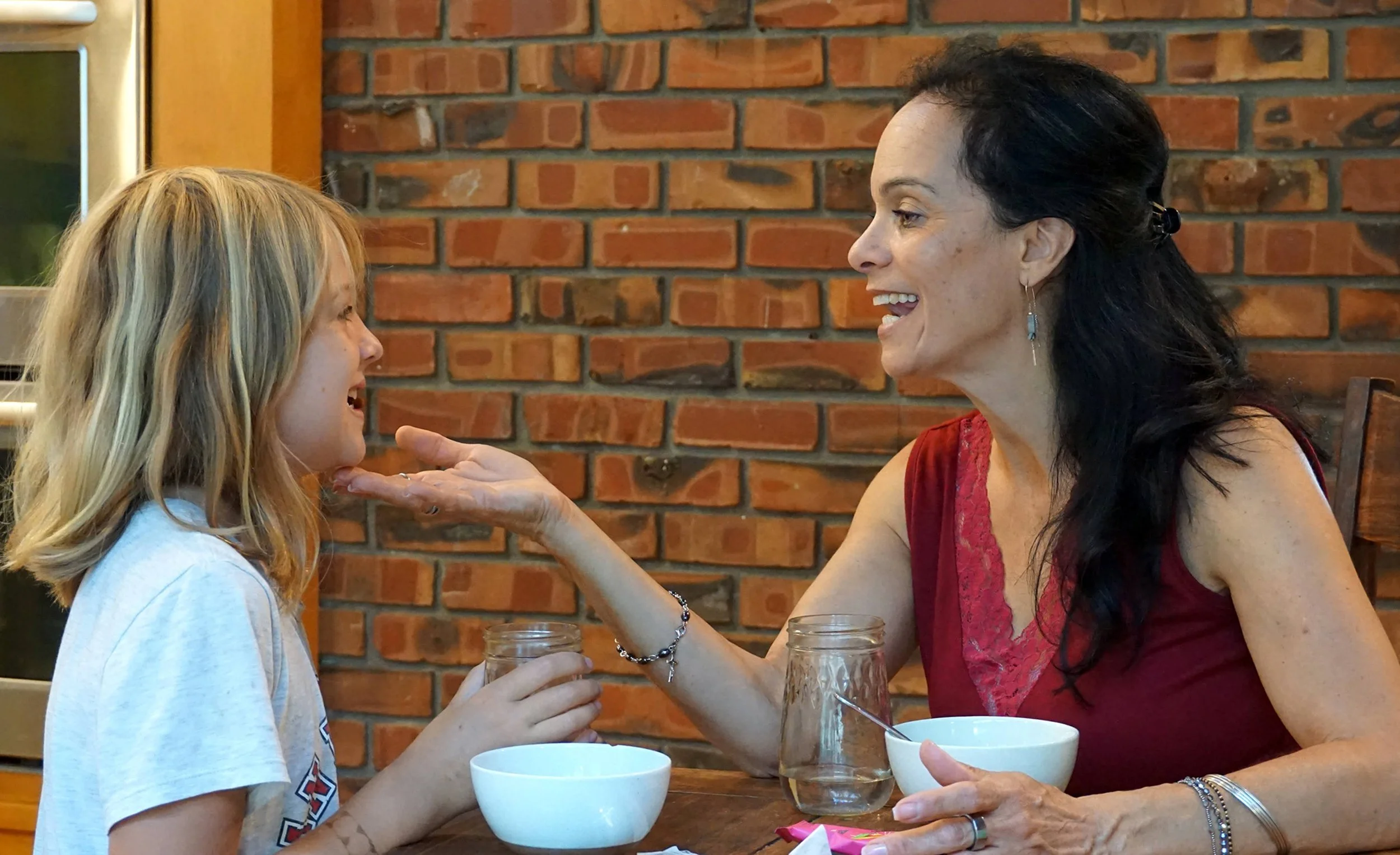
I provide myofunctional therapy for children and adults by working as part of a collaborative team to improve posture, breathing, muscle tone and movements, jaw stability, and overall oral health, that will be noticeable in better speech production.

Signs & Symptoms of Oromyofunctional Disorders (OMDs)
Habitual open-mouth, lips-apart resting posture.
Structural differences, such as:
a restricted lingual frenulum, also known as tongue-tie or ankyloglossia, and
dental malocclusions, such as excessive anterior overjet and anterior, bilateral, unilateral, or posterior open bite and underbite.
Abnormal tongue resting posture, either forward, interdental, or lateral posterior (unilateral or bilateral), which does not allow for a typical resting relationship between the tongue, teeth, and jaws, otherwise known as the interocclusal space at rest (Mason, 2011).
Distorted productions of /s, z/, often with an interdental lisp, or abnormal lingual dental articulatory placement for /t, d, l, n, ʧ (ch), ʤ (J), ʃ (Sh), ʓ/.
Drooling and lack of oral control, specifically past the age of 4 years (Riva et al., 2022).
Lack of a consistent lingual–palatal seal and/or tongue thrust during swallows.
Sleep-disordered breathing or sleep apnea (Hoang et al., 2023; Ikävalko et al., 2018).
Temporomandibular disorders such as bruxism, or teeth grinding.
Interprofessional Team
Interprofessional practice is essential because assessment and treatment of OMDs has many possible aspects, which often require an integrated team approach. I will makes a referral to, and collaborates with, one or more of the following professionals:
allergist
orofacial myologist
dentist
lactation consultant
occupational therapist
oral surgeon
orthodontist
otolaryngologist/ENT
physician
plastic surgeon
respiratory therapist
sleep apnea specialist
The information on this page is adapted in part from resources provided by the American Speech-Language-Hearing Association (ASHA.ORG) on Orofacial Myofunctional Disorders (OMDs).
Speech Errors are Often the Tip of the Iceburg.
It is important to explore the potential root of the speech problem, which can be related to a tongue thrust or a tongue tie (i.e., a tethered oral tissue). A myofunctional assessment identifies the underlying dysfunction of chewing, swallowing, and breathing. Therapy will help by building oral awareness, strengthening oral muscles, improving posture, and coordinating movements during the daily functional activities of resting, eating, and speaking.
What is the Focus of My Myo Gym Groups?
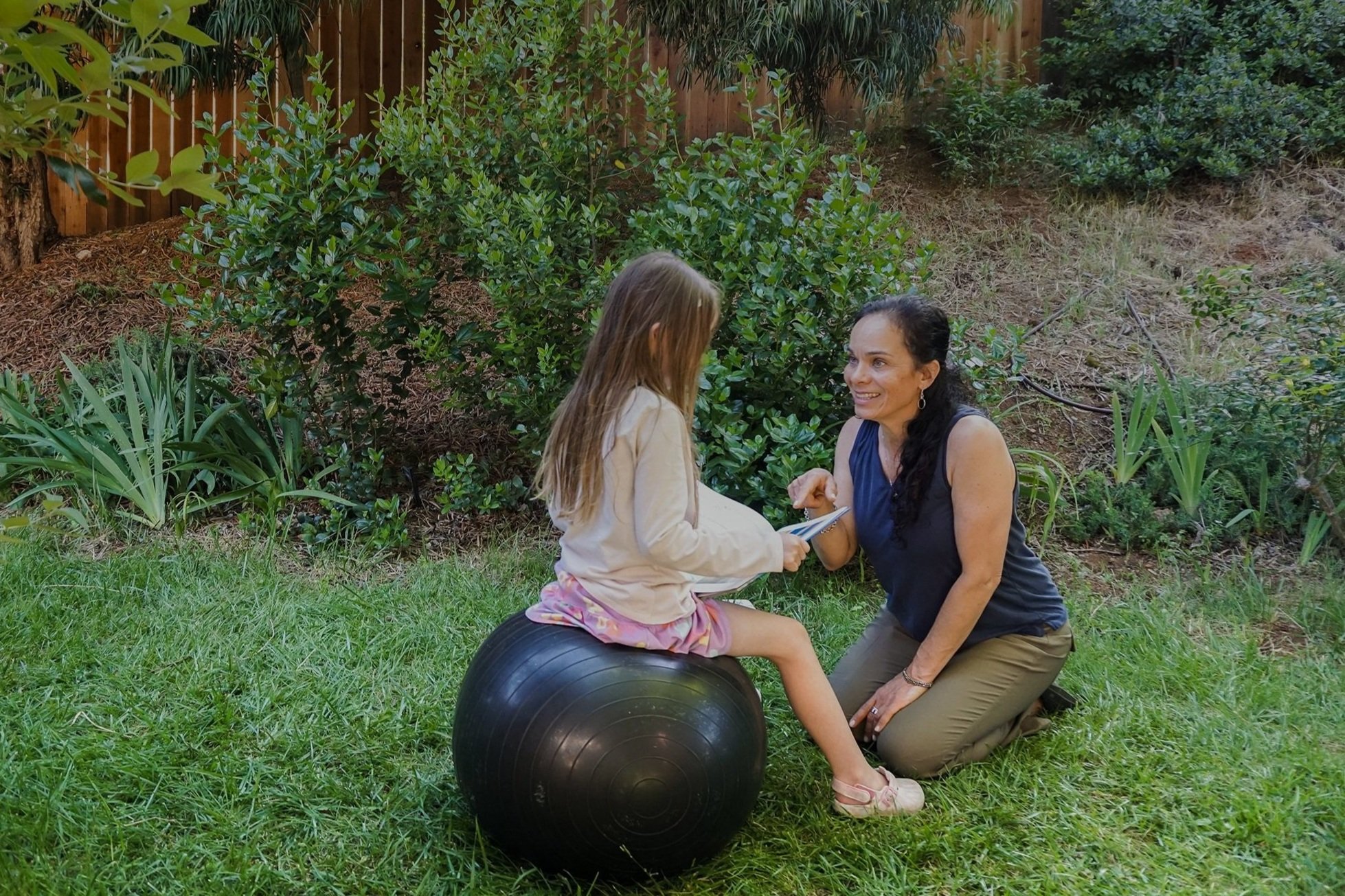
I offer various Myo gyms based on the client’s age and abilities, including The Little Spittles, The Motor Mouths, and Breathing for Athletes for high schoolers. The groups offer peer modeling and social support while we practice the main goals of myofunctional therapy… nasal breathing, lip closure, tongue resting at the roof of the mouth, and using a correct swallow pattern.
“A Compassionate, Skilled Speech Pathologist Who Truly Cares”
-
This approach accelerated his progress way beyond our expectations. Today, his expressive language has blossomed; he articulates his thoughts with growing confidence, connects more easily with peers, and navigates emotions with remarkable stability now that he can communicate his needs. We highly recommend Luna to any family seeking a compassionate, skilled pathologist who truly cares.
—S. & G. C. Parents of child seen at home and in school